
Category: Uncategorized

  • Stanford University Cost: Investing in Excellence for a Priceless Future

    When discussing higher education at the global level, few institutions command as much prestige and influence as Stanford University. Located in the heart of Silicon Valley, Stanford is synonymous with innovation, academic excellence, and leadership. However, alongside its reputation comes a significant financial commitment. For many students and families, understanding the cost of attending Stanford is not just about numbers—it is about evaluating an investment in a future filled with opportunities.

    This article explores the full cost of attending Stanford University, breaks down its components, examines financial aid, and ultimately evaluates whether the price is justified in the long run.


    The True Cost of Stanford University

    At first glance, Stanford’s tuition can appear daunting. For the 2026–2027 academic year, undergraduate tuition stands at approximately $67,731 per year, with no increase from the previous year. (Stanford News)

    However, tuition alone does not reflect the total cost of attending Stanford. When additional expenses are included, the annual cost rises significantly.

    Breakdown of Annual Expenses (Approximate)

    • Tuition: $67,731
    • Housing and Food: ~$22,000
    • Student Fees: ~$2,400
    • Books and Supplies: ~$800
    • Personal Expenses: ~$3,300
    • Total Estimated Cost: ~$96,000+ per year (Financial Aid)

    This means that a four-year undergraduate degree can cost close to $380,000 or more, depending on lifestyle and additional expenses.

    For graduate programs, costs vary widely. While many programs average around $60,000–$80,000 annually, professional degrees such as an MBA can exceed $80,000 per year. (upGrad)


    Beyond Tuition: Understanding the Full Financial Picture

    The cost of attending Stanford is not limited to academic fees. Students must also consider:

    1. Living Expenses

    Stanford is located in California, one of the most expensive regions in the United States. Housing, dining, and daily living costs significantly contribute to the total expense.

    2. Health Insurance

    Students are required to have health insurance, which may add thousands of dollars annually if not covered by family plans.

    3. Travel Costs

    International students, in particular, must factor in airfare and visa-related expenses.

    4. Academic and Miscellaneous Costs

    Certain majors—such as engineering or computer science—may require additional spending on software, lab materials, or equipment.

    These hidden costs emphasize that the “sticker price” is only part of the financial reality.


    The Role of Financial Aid: Redefining Affordability

    Despite its high cost, Stanford is widely recognized for its generous financial aid program. In fact, the university actively works to ensure that cost does not become a barrier for talented students.

    Key Financial Aid Insights

    • Nearly half of Stanford undergraduates receive financial aid. (Stanford News)
    • Around one-third of families pay no tuition at all. (Stanford News)
    • Families earning below $150,000 often qualify for free tuition. (Stanford News)
    • Families earning below $100,000 may pay nothing for tuition, room, or board. (Stanford News)
    • Approximately 86–90% of students graduate debt-free. (Stanford News)

    Stanford’s financial aid model is particularly noteworthy because it prioritizes grants over loans, meaning students are not burdened with long-term debt.

    Net Price vs. Sticker Price

    While the official cost exceeds $90,000 per year, the actual amount many students pay is significantly lower. Aid packages are tailored based on family income, assets, and financial circumstances.

    This makes Stanford more accessible than it initially appears—especially for middle- and low-income families.


    Why Is Stanford So Expensive?

    Understanding the cost requires examining what students receive in return. Stanford’s high price reflects several factors:

    1. World-Class Faculty and Research

    Stanford employs leading scholars, Nobel laureates, and industry experts. Maintaining this level of academic excellence requires substantial funding.

    2. Cutting-Edge Facilities

    From advanced laboratories to state-of-the-art libraries, Stanford provides resources that support groundbreaking research and innovation.

    3. Student Support and Services

    Comprehensive academic advising, career services, mental health support, and extracurricular opportunities all contribute to the overall cost.

    4. Silicon Valley Advantage

    Being located near major tech companies like Google, Apple, and Meta offers unparalleled internship and networking opportunities.

    5. Financial Aid Commitment

    A significant portion of Stanford’s budget is allocated to financial aid, effectively redistributing costs to support students from diverse backgrounds.


    The Return on Investment (ROI)

    While Stanford’s cost is undeniably high, many argue that it is justified by the long-term benefits.

    1. Career Opportunities

    Graduates from Stanford are highly sought after by top employers worldwide. The university’s reputation opens doors in industries such as technology, finance, healthcare, and entrepreneurship.

    2. Alumni Network

    Stanford boasts one of the most powerful alumni networks globally. Connections made during and after college can significantly impact career growth.

    3. Entrepreneurial Ecosystem

    Stanford has been the birthplace of countless successful startups. Its proximity to Silicon Valley fosters innovation and entrepreneurial thinking.

    4. Earning Potential

    Graduates often command high starting salaries, particularly in STEM and business fields, helping offset the initial investment.

    5. Personal Development

    Beyond financial returns, Stanford offers an environment that nurtures leadership, creativity, and critical thinking—skills that last a lifetime.


    Comparing Stanford to Other Universities

    Stanford’s cost is higher than the average U.S. university. For example, tuition at many research universities averages around $40,000 annually, significantly lower than Stanford’s rates. (CollegeTuitionCompare)

    However, when financial aid is considered, the gap narrows. In some cases, students may pay less at Stanford than at less prestigious institutions due to its generous aid policies.

    This highlights an important point: the most expensive universities are not always the least affordable.


    Is Stanford Worth the Cost?

    The answer depends on individual circumstances, including financial background, career goals, and personal values.

    It May Be Worth It If:

    • You receive substantial financial aid
    • You aim for careers in high-paying or competitive fields
    • You value access to top-tier resources and networks

    It May Be Challenging If:

    • You must pay full tuition without aid
    • You have more affordable options with similar outcomes
    • You prefer minimizing financial risk

    Ultimately, the decision should be based on a careful evaluation of both cost and value.


    A Priceless Future: Beyond Numbers

    Education at Stanford is often described as transformative. While the financial investment is significant, the opportunities it provides—intellectual, professional, and personal—are difficult to quantify.

    Stanford’s commitment to innovation, diversity, and excellence ensures that students are not just prepared for jobs, but for leadership roles that shape the future.


    Conclusion

    The cost of attending Stanford University is undeniably high, with total annual expenses approaching $100,000. However, this figure does not tell the full story. Generous financial aid, a strong return on investment, and unparalleled opportunities make Stanford a unique case in higher education.

    Rather than viewing Stanford’s cost as a burden, it is more accurate to see it as an investment in excellence—one that, for many students, leads to a future that is truly priceless.

    In the end, the value of a Stanford education lies not just in its price tag, but in the doors it opens, the minds it shapes, and the impact its graduates have on the world.

  • Edinburgh University Living: Crafting Your Academic Home in Scotland’s Capital

    Living and studying at University of Edinburgh is more than just an academic experience—it is an immersion into one of Europe’s most historic, vibrant, and intellectually stimulating cities. Nestled in Edinburgh, students are offered a unique blend of medieval charm and modern urban life. From cobbled streets and ancient architecture to cutting-edge research facilities and a global student community, life here is about crafting not just a degree, but a home.

    This article explores what it means to build your academic home in Edinburgh—from accommodation choices and community life to the everyday realities of living in Scotland’s capital.


    A City That Becomes Your Campus

    One of the defining features of studying at the University of Edinburgh is the city itself. Unlike enclosed campuses, the university is woven into the fabric of Edinburgh. Lecture halls, libraries, cafés, and student residences are scattered across historic neighborhoods, giving students the feeling of living within a living museum.

    Edinburgh offers a rare combination: a compact, walkable layout and a rich cultural environment. Students can easily travel between accommodation and academic buildings via walking, cycling, or public transport. The city’s scale makes it manageable, while its cultural depth ensures there is always something new to discover.

    Beyond academics, the city plays a vital role in shaping student identity. From exploring the Royal Mile to studying with a view of Arthur’s Seat, daily life is infused with inspiration. The environment encourages independence, exploration, and a sense of belonging.


    University Accommodation: Your First Home Away from Home

    For many students, university-managed accommodation is the starting point of their Edinburgh journey. The university offers housing to over 10,000 students, creating a structured yet vibrant residential experience. (University of Edinburgh)

    Guaranteed Accommodation and Accessibility

    One of the most reassuring aspects for new students is the accommodation guarantee. Eligible undergraduate students from outside Edinburgh—and many postgraduate students—are assured a place in university housing, provided they meet application deadlines and requirements. (Study at Edinburgh)

    This guarantee significantly reduces the stress of relocating to a new city, especially for international students.

    Types of Accommodation

    The university offers a variety of living arrangements designed to suit different preferences and budgets:

    • Catered halls: Meals are provided, ideal for students seeking convenience and a structured lifestyle.
    • Self-catered flats: Students share kitchens, promoting independence and social interaction.
    • En-suite or shared facilities: Options range from private bathrooms to shared amenities.

    Most accommodations are located within walking distance or a short bus ride from the city centre and university buildings. (Study at Edinburgh)

    What’s Included?

    University housing is designed to simplify student life. Rent typically includes:

    • Utilities (electricity, heating, water)
    • Wi-Fi and internet access
    • Contents insurance
    • Laundry facilities and bike storage (Study at Edinburgh)

    This all-inclusive model helps students focus on their studies and social life without worrying about logistical details.


    Residence Life: Building Community

    Accommodation at the University of Edinburgh is not just about a place to sleep—it’s about community. The Residence Life programme is central to this experience.

    Teams of Resident Assistants (RAs) and support staff organize social events, academic workshops, and wellbeing initiatives. These activities are designed to help students settle in, make friends, and feel supported throughout the academic year. (Study at Edinburgh)

    For many students, friendships formed in halls become lifelong connections. Shared kitchens, communal spaces, and organized events create opportunities for interaction and collaboration.


    Private Accommodation: Independence and Flexibility

    While university accommodation is popular—especially in the first year—many students eventually move into private housing. The university supports this transition by offering advice and services such as DOMUS, its own letting agency. (University of Edinburgh)

    Advantages of Private Living

    • Greater independence and privacy
    • Opportunity to choose location and housemates
    • Potential cost-sharing in shared flats

    Challenges to Consider

    However, finding private accommodation in Edinburgh can be competitive. Demand is high, and students often need to start searching early. According to student discussions online, the housing market can be challenging, with strong competition and rising rents.

    “Choosing private is… difficult due to housing crisis… best bet is to get accom via uni and go from there.” (Reddit)

    This highlights the importance of planning ahead and using university resources for guidance.


    The Cost of Living: Planning Your Budget

    Living in Edinburgh comes with financial considerations. While university accommodation simplifies budgeting through all-inclusive rent, private housing and daily expenses can vary.

    Key costs include:

    • Rent (higher in central areas)
    • Food and groceries
    • Transportation
    • Social and leisure activities

    The university offers financial support and advice for students facing difficulties, ensuring that help is available when needed. (University of Edinburgh)

    Budgeting is an essential skill, and many students find part-time work or adopt cost-saving strategies to manage expenses.


    Academic Environment Meets Everyday Living

    Living in Edinburgh means your academic and personal life are deeply interconnected. Libraries, study spaces, and cafés become extensions of your home.

    The university provides extensive academic support, computing facilities, and career services, ensuring students have access to resources that enhance both learning and future prospects. (EdWeb Profiles)

    At the same time, the city offers countless spaces for relaxation and creativity. Whether it’s studying in a historic library or brainstorming ideas in a local café, students find their own rhythm.


    Social Life and Student Experience

    Student life at the University of Edinburgh extends far beyond accommodation. Clubs, societies, and sports play a crucial role in shaping the student experience.

    The university boasts a wide range of societies—from music and arts to academic and cultural groups—helping students connect with like-minded individuals. (Study at Edinburgh)

    Making Friends and Building Networks

    For many, the first friendships are formed in accommodation. Shared living spaces create natural opportunities for bonding, while societies and events expand social circles.

    Edinburgh’s vibrant social scene, including festivals, live music, and nightlife, ensures that students have plenty of opportunities to unwind and explore.


    A Global Community

    The University of Edinburgh attracts students from all over the world, creating a diverse and inclusive environment. Living in such a multicultural community enriches the academic experience and broadens perspectives.

    Students are exposed to different cultures, ideas, and ways of thinking, making their time in Edinburgh not just educational, but transformative.


    Balancing Independence and Support

    One of the key aspects of crafting an academic home is finding the right balance between independence and support.

    University accommodation offers structure, community, and security—ideal for those new to the city. Private housing, on the other hand, allows for greater autonomy and personal choice.

    The presence of support systems, including Residence Life teams and wellbeing services, ensures that students are never alone in navigating challenges. (EdWeb Profiles)


    Living in Edinburgh: Beyond the University

    Living in Edinburgh means being part of a city rich in culture, history, and natural beauty. From the Edinburgh Festival Fringe to quiet walks in Holyrood Park, the city offers experiences that shape student life in meaningful ways.

    The accessibility of nature—hills, parks, and coastline—provides a refreshing contrast to academic pressures. Students often find that these surroundings enhance their wellbeing and productivity.


    Crafting Your Academic Home

    Ultimately, living at the University of Edinburgh is about more than accommodation—it is about creating a space where you can thrive academically, socially, and personally.

    Crafting your academic home involves:

    • Choosing the right accommodation for your needs
    • Engaging with the community
    • Managing your finances effectively
    • Exploring the city and its opportunities
    • Building meaningful relationships

    Each student’s journey is unique, but the foundation remains the same: a supportive environment that encourages growth and discovery.


    Conclusion

    Edinburgh University living is a dynamic and enriching experience that blends academic excellence with an exceptional quality of life. Whether in university halls or private flats, students find themselves part of a vibrant community in one of the world’s most beautiful cities.

    In Edinburgh, your accommodation is not just a place to stay—it is the starting point of your journey. It is where friendships are formed, ideas are born, and memories are made.

    By embracing both the opportunities and challenges of student life, you can truly craft an academic home in Scotland’s capital—one that will shape your future long after graduation.

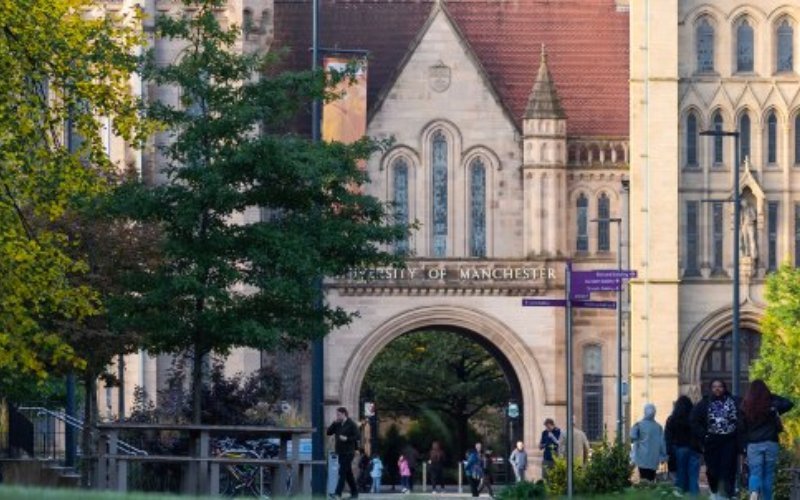
  • Manchester University Careers: Charting Your Path to Professional Excellence

    In today’s competitive global economy, choosing a university is about more than academic prestige—it is about future career success. The University of Manchester stands out as an institution that not only provides world-class education but also equips students with the tools, networks, and experiences necessary to thrive professionally. Its comprehensive careers ecosystem, strong employer connections, and student-focused approach make it a powerful launchpad for ambitious individuals seeking excellence in their chosen fields.

    This article explores how Manchester University supports career development, from the first day on campus to years after graduation, and how students can strategically use these opportunities to build a successful professional future.


    A Vision Rooted in Employability

    At the heart of Manchester’s philosophy is a commitment to employability. The university’s Careers Service operates under a clear mission: “Inspiring ambitions, realising aspirations and shaping success.” (University of Manchester Careers Service)

    This vision is not merely symbolic. It is embedded into the structure of academic programs, extracurricular activities, and institutional partnerships. The university ensures that students graduate with more than just theoretical knowledge—they leave with practical skills, confidence, and professional readiness.

    Manchester is also recognized as one of the most targeted universities by top employers in the UK, reflecting its strong reputation in the job market. (The University of Manchester) This distinction highlights the trust that industry leaders place in Manchester graduates.


    The Careers Service: A Comprehensive Support System

    The Careers Service at Manchester is a cornerstone of student success. It offers continuous, structured support throughout a student’s academic journey and even beyond graduation.

    1. Personalized Career Guidance

    Students have access to one-on-one career consultations, where expert advisors help them:

    • Identify career goals
    • Explore industry options
    • Develop actionable career plans

    This personalized approach ensures that each student’s path is tailored to their ambitions and strengths.

    2. Application and Interview Support

    From crafting compelling CVs to mastering interview techniques, the Careers Service provides:

    • CV and cover letter reviews
    • Mock interviews
    • Assessment center preparation

    These resources are critical in helping students stand out in a competitive job market. (University of Manchester Careers Service)

    3. CareerConnect Platform

    The university’s digital hub, CareerConnect, acts as a gateway to:

    • Job vacancies
    • Internship opportunities
    • Career events and workshops

    Students and graduates can use this platform for up to two years after completing their degree, ensuring continued support during early career stages. (University of Manchester Careers Service)


    Building Skills Beyond the Classroom

    Manchester understands that employers value more than academic performance. Therefore, it actively promotes experiential learning.

    Internships and Work Experience

    Students are encouraged to gain real-world experience through:

    • Internships
    • Industrial placements
    • Part-time jobs

    These opportunities help students apply theoretical knowledge in practical settings and build professional confidence.

    Workshops and Training

    The university offers workshops on:

    • Networking
    • Leadership
    • Communication skills

    Such training ensures students develop transferable skills that are essential across industries. (The University of Manchester)

    Volunteering and Extracurricular Activities

    Participation in volunteering and student societies allows students to:

    • Build teamwork skills
    • Demonstrate leadership
    • Expand their professional networks

    These experiences often play a crucial role in shaping employability.


    Strong Industry Connections

    One of Manchester’s greatest strengths is its extensive network of employers. The university maintains links with over 7,000 organizations worldwide. (The University of Manchester)

    This network provides students with:

    • Access to exclusive job opportunities
    • Industry-led lectures and workshops
    • Networking events with recruiters

    Top employers frequently target Manchester graduates, offering students a significant advantage when entering the job market.


    Mentoring and Professional Networking

    Mentorship plays a vital role in career development at Manchester.

    Manchester Gold Mentoring Program

    This initiative pairs students with alumni and industry professionals for six months, offering:

    • Career advice
    • Industry insights
    • Networking opportunities

    Such programs bridge the gap between academic learning and professional practice, helping students make informed career decisions. (The University of Manchester)


    Global Opportunities and International Support

    As a global institution, Manchester supports students in pursuing international careers.

    Support for International Students

    The university provides tailored guidance on:

    • Working in the UK
    • Visa regulations
    • Global job markets

    This is particularly valuable for international students seeking to build careers abroad.

    Global Employer Reach

    With connections to multinational companies, students can explore opportunities across:

    • Europe
    • Asia
    • North America

    This global outlook enhances career mobility and broadens professional horizons.


    Graduate Outcomes and Career Success

    Manchester’s effectiveness in career preparation is reflected in graduate outcomes.

    The university participates in the UK’s Graduate Outcomes Survey, which tracks graduates 15 months after completing their degrees. (University of Manchester Careers Service)

    Key indicators include:

    • Employment rates
    • Further study participation
    • Career satisfaction

    Additionally, studies show that a high percentage of graduates secure employment or continue education shortly after graduation, demonstrating the value of a Manchester degree. (Manchester University)


    Embedding Employability into Academic Programs

    Unlike traditional models where career services operate separately from academics, Manchester integrates employability directly into its curriculum.

    Industry-Relevant Teaching

    Courses are designed in collaboration with employers to ensure relevance to current industry needs. (The University of Manchester)

    Practical Learning

    Students engage in:

    • Case studies
    • Group projects
    • Real-world problem-solving

    This approach prepares students for the challenges of professional environments.


    Career Development Timeline at Manchester

    A student’s career journey at Manchester can be viewed as a structured progression:

    Year 1: Exploration

    • Identify interests and strengths
    • Attend introductory workshops
    • Explore career options

    Year 2: Preparation

    • Gain work experience
    • Develop key skills
    • Build a professional network

    Final Year: Application

    • Apply for graduate roles
    • Attend career fairs
    • Refine application materials

    Post-Graduation: Transition

    • Access continued career support
    • Leverage alumni networks
    • Secure long-term employment

    This step-by-step framework ensures that students are well-prepared at every stage of their journey.


    The Role of Alumni and Networking

    Manchester’s global alumni network is a valuable asset for students.

    Graduates benefit from:

    • Networking opportunities
    • Industry connections
    • Mentorship programs

    These connections often lead to job opportunities and career advancement.


    Challenges and Realistic Expectations

    While Manchester provides exceptional resources, success ultimately depends on the student’s initiative.

    Some challenges include:

    • Competitive job markets
    • The need for proactive engagement
    • Balancing academics with career preparation

    Students must actively utilize available resources to maximize their potential.


    Strategies for Success at Manchester

    To fully leverage the university’s career ecosystem, students should:

    1. Engage Early

    Start using the Careers Service from the first year.

    2. Gain Experience

    Pursue internships, part-time work, and volunteering opportunities.

    3. Build Networks

    Attend career events and connect with alumni.

    4. Develop Skills

    Focus on both technical and soft skills.

    5. Stay Persistent

    Job searching can be challenging—resilience is key.


    A Launchpad for Professional Excellence

    The University of Manchester offers more than just a degree—it provides a comprehensive framework for career success. Through its Careers Service, industry partnerships, and student-centered approach, the university empowers students to chart their own paths toward professional excellence.

    In an increasingly competitive world, Manchester stands as a beacon of opportunity, equipping graduates with the skills, confidence, and connections needed to succeed. For those willing to engage fully with its resources, the journey from student to professional is not just achievable—it is transformative.


    Conclusion

    Manchester University exemplifies how higher education can bridge the gap between academia and the professional world. Its commitment to employability, combined with a robust support system and global outlook, ensures that students are well-prepared for the challenges ahead.

    Ultimately, success at Manchester is a partnership between the institution and the student. With the right mindset, dedication, and strategic use of available resources, students can turn their academic journey into a pathway to professional excellence.

  • Hello world!

    Welcome to WordPress. This is your first post. Edit or delete it, then start writing!